
Microgreens Farming: An Overview
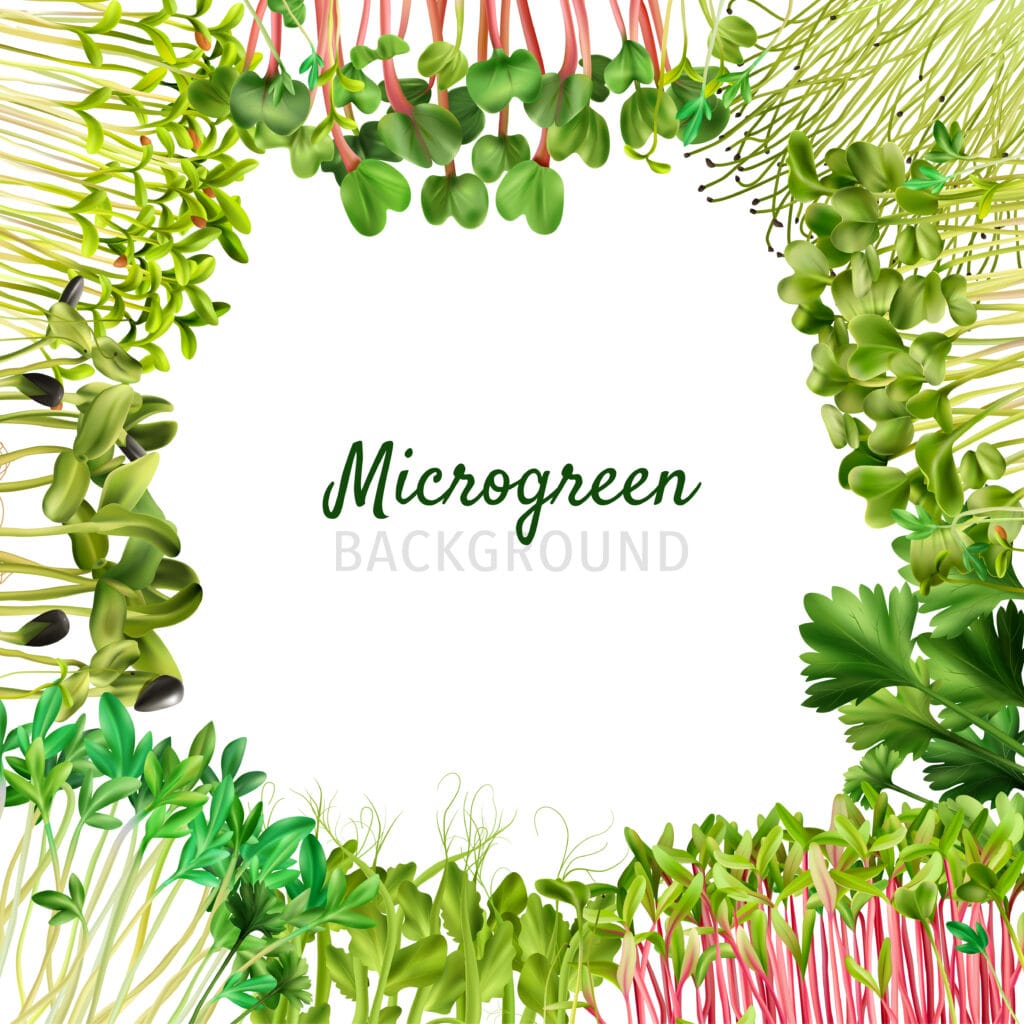
Young vegetable greens, including those with roots, stems, and cotyledon leaves, are called microgreens. Microgreens are a potent superfood because their leaves and stems are rich in nutrients. A newly emerging plant referred to as “microgreens“ that grows from a variety of commercial food crops, such as vegetables, grains, and herbs, is composed of partially extended true leaves and established cotyledons.
When a vegetable or herb seedling reaches two to three inches in height, it produces microgreens, the first true leaves. Turnips, radishes, broccoli, cauliflower, carrots, celery, chard, lettuce, spinach, arugula, amaranth, cabbage, beets, parsley, and basil are just a few of the many types of plants that can be cultivated as microgreens for a healthy and nourishing addition to your regular meals. Most microgreens have tiny leaves that are ready to be harvested in 12 to 14 days. These leaves are full of nutrients and have strong flavors that mimic those of their mature counterparts. For instance, consuming radish microgreen shoots will have a flavor and taste similar to radish. Coriander microgreens taste like coriander, and beetroot microgreens taste just like beets.

What distinguishes microgreens from sprouts?
A) Microgrees ;

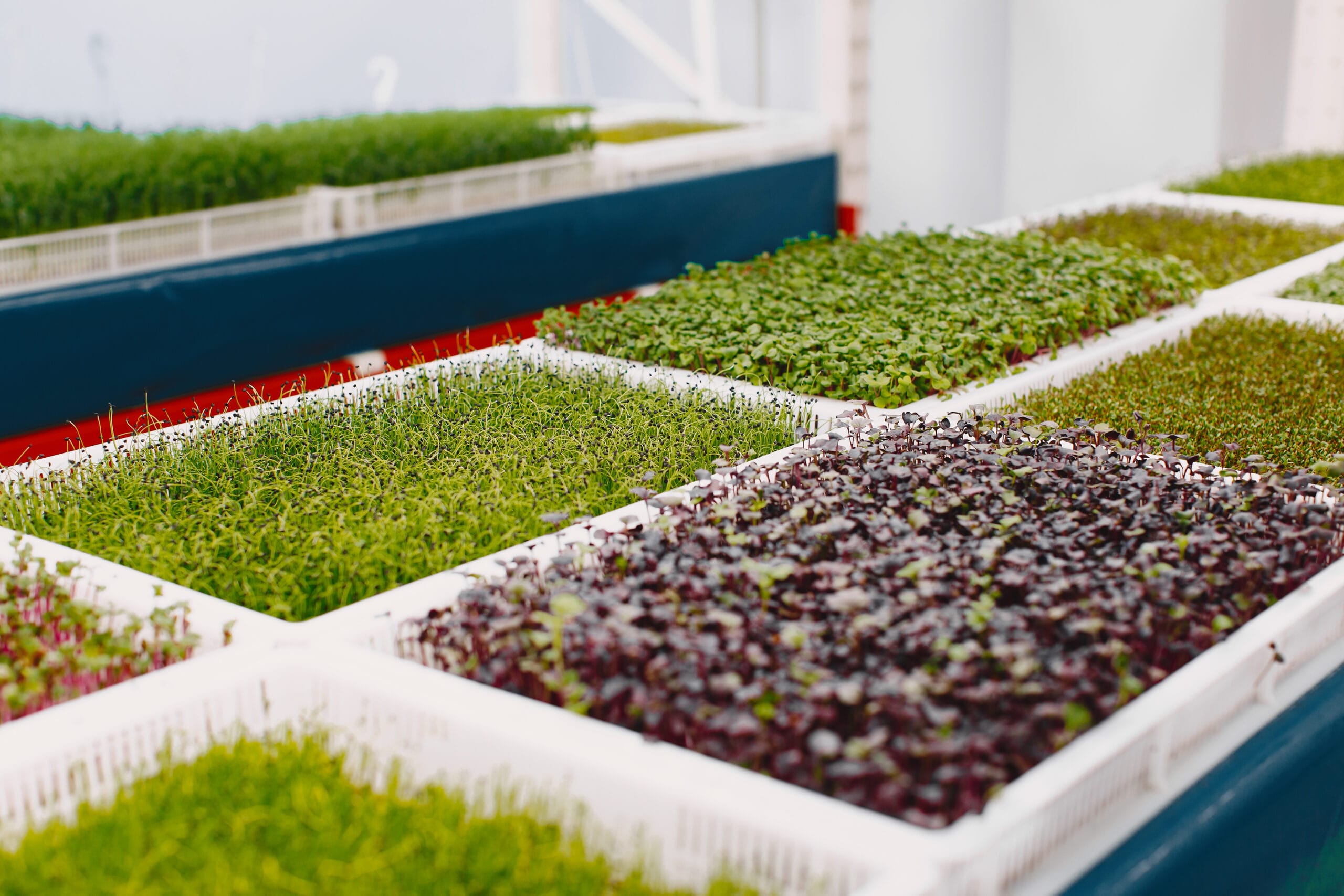
Microgreens are vegetable greens with only one set of genuine leaves that are picked shortly after the cotyledon leaves have formed (not to be confused with sprouts or shoots). They are employed to improve texture, flavor, and appearance. Foods can be made sweeter and spicier by using microgreens. Because they are harvested shortly after sprouting rather than after the plant has grown to develop many leaves, microgreens are smaller than “baby greens.”
They offer garnishes for plates, salads, soups, and sandwiches. Some dishes use them as garnishes, while others use them as main elements.
A variety of vegetables, herbs, and other plants can be used to make edible young greens. Including the stem and leaves, their sizes range from 1 to 3 inches (2.5 to 7.6 cm). When harvesting, the stem is chopped slightly above the soil line. Microgreens often feature one pair of small, partially developed true leaves in addition to fully grown cotyledon leaves.
Sprouts;
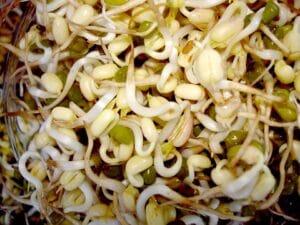

Microgreens go through a different planting and growth process that enables them to produce fully formed stems and leaves, giving them a much richer nutritional makeup than sprouts, which are only seeds that have germinated. Microgreens can be harvested in 7–21 days, depending on the type of vegetable, whereas sprouts can be harvested in 2–5 days.
Microgreens have three basic parts
1. a central stem
2. cotyledon leaf or leaves
3. first pair of true leaves
The Value of Microgreens
1. Easy to cultivate: Microgreens are very simple to cultivate on a sunny windowsill because they are collected at the first true leaf stage.
2. Easy to harvest: In just two weeks, microgreens are ready for consumption.
3. Packed with flavors: Despite their small size, microgreens are a favorite among chefs and foodies worldwide due to their concentration of flavors.
4. Rich in nutrients:
Compared with mature vegetables and herbs, microgreens contain higher concentrations of nutrients. Compared to grown veggies, some microgreen kinds are up to 40 times more nutritious.
How to cultivate microgreens at home;
Microgreen Seeds: Regular seeds can be used to cultivate microgreens.
Soil for Potting: The finest soil for growing microgreens organically and healthily is planting soil, which should not include any chemicals or pesticides.
Mode of intake: For optimal nutritional absorption, microgreens can be eaten raw in salads. They can also be cooked, used to make smoothies, burgers, sandwiches, and soups, or they can be used as toppings.
Steps in the cultivation of fresh, flavoursome and healthy microgreens:
1. Filling the tray/container with soil. Since the roots of Microgreens do not reach that deep, a soil height of 3- 4 inches should be good enough.
2. Sow the seed: Microgreen seeds are to be spread on the soil surface. The spacing between the seeds does not need to be completely even, so hand sprinkling works fine.
3. Cover the seeds: cover with a very thin layer of soil and gently pat the surface to make the seeds settle well in the container.
4. Damp the soil: Spray enough water over the soil surface to make the surface completely moist, but do not flood it with water.
5. Place the container at room temperature: keep the container for about two days until germination occurs. Then choose a sunny spot to place the plant, where it receives a good amount of sunlight for at least 3-4 hours a day.
6. Sprinkle water twice: sprinkle the water over the growing greens twice a day. In 3-4 days, small leaves grow over the soil with little shoots at the bottom.
7. Harvesting Microgreens Once the plants are 2-3 inches taller, they are ready to be harvested. Cut the microgreens with a pair of scissors or a sharp knife and cut the Microgreens, holding them vertically, from just over the roots.
8. Cleaning: Use cold running water to clean the gathered microgreens before using them in a meal. When eaten fresh, immediately after harvest, microgreens have the highest nutritional content. After washing, dry them and keep them in the fridge wrapped in paper.
| Microgreen Name | Germination Time | Estimated time to Harvest |
| Amarontha Red Desi | 3-5Days | 9-12 Days |
| Amarantha Red Garnet | 2-3 Days | 7-10 Days |
| Alfa Alfa | 1-2 Days | 7-9 Days |
| carrot | 3-5 Days | 10-12Days |
| Chia | 2-3Days | 8-10 Days |
| Flax | 2-3Days | 8-10 Days |
| Garden Cress” | 2-3Days | 8-12Days |
| Lettuce Green | 1-2Days | 7-9Days |
| Mustard Yellow | 1-2 days | 7·9Dovs |
| RedOnion Desi | 2-3 days | 8-12Days |
| Pakehol I Bak Choy | 1-2Days | 8-12Days |
| RadishDelkon | 1-2Days | 7-10 Oovs |
| Radish Desi | 1-2Days | 7-10 Days |
| RadishPurple | 1-2 Days | 7-10 Days |
| Radish Pink | 1-2 Days | 7-10 Days |
| RedCabbage | 2-3 Days | 9-12 Days |
| Sesame White | 2-3Days | 7-10Days |
| Spiach I Palak | 3-5 Days | 10-14 Days |
| SwissChard | 3-5 Days | 10-14 Days |
| Turnip Desi | 1-2 Days | 7-10 Days |
Health Benefits of Microgreens
Eating vegetables is linked to a lower risk of many diseases as they contain high amounts of vitamins, minerals, and beneficial plant compounds, which may reduce the risk of the following diseases:
Heart disease: Microgreens are a rich source of polyphenols, a class of antioxidants linked to a lower risk of heart disease. Studies show that microgreens may lower triglyceride and “bad” LDL cholesterol levels.
Alzheimer’s disease: Antioxidant-rich foods, including those containing high amounts of polyphenols, may be linked to a lower risk of Alzheimer’s disease.
Diabetes: Antioxidants may help reduce the type of stress that can prevent sugar from entering cells properly. In lab studies, fenugreek microgreens appeared to enhance cellular sugar uptake by 25–44%.
Certain cancers: Antioxidant-rich fruits and vegetables, especially those rich in polyphenols, may lower the risk of various types of cancer. Polyphenol-rich microgreens may be expected to have similar effects
Chronic Disease: Inflammation is a major indicator of disease in the body. Microgreens and vegetable intake in general are shown to reduce inflammatory markers and lower the risk of several types of cancer.
Most Popular Microgreens:
Cauliflower, broccoli, cabbage, radish, carrot, garlic, onion, Amaranths, beetroot, spinach, melon, cucumber, and squash.
Cereals such as rice, oats, wheat, corn, and barley, as well as legumes like chickpeas, beans, and lentils.
They vary in taste, ranging from neutral to spicy, slightly sour, or even bitter, depending on the variety.
Rainbow of Microgreens: Fruits and vegetables are available in different colors. Microgreens of different colors represent different healthy compounds called phytochemicals, as well as other micronutrients.
Red vegetables contain lycopene, which is a powerful antioxidant.
Orange and yellow vegetables contain carotenoids like beta carotene and lutein, which the body converts into vitamin A.
Blue and purple vegetables contain anthocyanin which can help protect cells from damage. Green vegetables contain a wide range of different phytochemicals, including saponins, indoles, and carotenoids.
Brown and white vegetables like garlic contain allicin, which has antibacterial properties.
Nutritive Values of Microgreens
Many fresh plant products provide vitamins, minerals, and fiber. These nutrients can help with:
1. Preventing a range of diseases.
2. Managing weight
3. Boosting both mental and physical health and well-being.
- 100g of serving of sunflower and basil microgreen mix will provide:
Content Quantity Calories 28 Protein 2.2g Carbohydrates 4.4g Fiber: 2.2g Calcium 88mg Iron: 15.9g Potassium 298mg Magnesium 66mg Phosphorus 66mg Sodium 11mg Vitamin C: 6.6mg Vitamin A: 79.6mg Recipes prepared by microgreens;
Microgreens salad, Green peas and mint soup, Amaranth Dal, Mustard Green Dal, Fenugreek Salad,
Estimated Cost (INR) of production of Microgreens;
| Category | Estimated Cost (INR) |
| Indoor Farming Setup | ₹10,000 – ₹50,000 |
| Seeds & Growing Medium | ₹5,000 – ₹15,000 |
| Licensing & Legal Permits | ₹5,000 – ₹10,000 |
| Branding & Marketing | ₹5,000 – ₹20,000 |
| Packaging Material | ₹2,000 – ₹5,000 |
| Training (Optional) | ₹3,000 – ₹10,000 |
| Miscellaneous & Working Capital | ₹10,000 – ₹30,000 |
| Total Estimated Cost | 50000 to 140000INR |
A Grade Microgreen, 1 Kg at ₹ 1500/kg in Bengaluru
Raddish organic=100 gm/148 INR
Market Perspectives 2026 to 2034;
- In 2025, the microgreens market in India was valued at USD 78.7 million. The market is projected to increase at a rate of 7.69% from 2026 to 2034, reaching USD 158.6 million. Increased nutritional awareness, culinary adaptability, and the growing trend of healthy eating habits are all factors contributing to the market’s expansion.
- The market has been split into four regions: East and Northeast India, South India, West and Central India, and North India.
- The market has been segmented by kind, including broccoli, cabbage, cauliflower, rocket, peas, radish, basil, and others.
- The market has been separated into commercial greenhouses, indoor vertical farming, and other agricultural methods.
- The market has been split into residential and commercial segments based on end use.
- The market has been segmented into retail establishments, supermarkets, hypermarkets, and others based on the distribution channel Source;https://www.imarcgroup.com/india