Why MP Wheat is So costly?
It is primarily farmed in six agroclimatic zones as a winter (Rabi) crop, with the Indo-Gangetic plains having the highest concentration.
Key Classifications of Indian Wheat
A)By Botanical Species (Most Common):
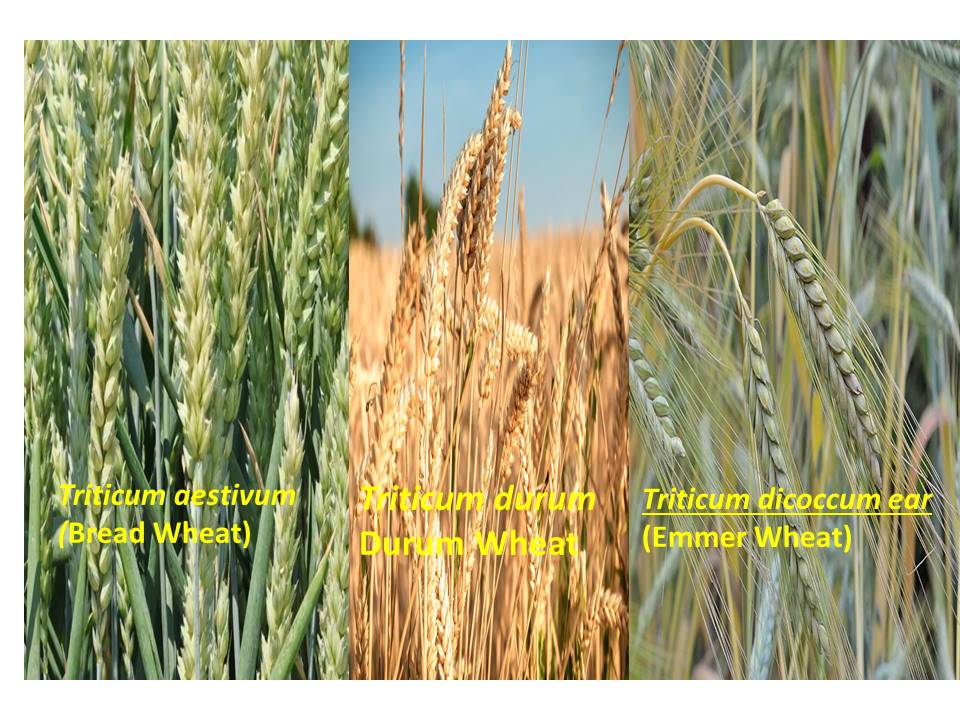
Classification Scientific and other common names Characterstics BY Botanical Species (Most Common) Bread Wheat (Triticum aestivum) Dominant across India, used primarily for making chapatis. Durum Wheat (Triticum durum): Known as Macaroni wheat, it is popular in Central and Southern India for making suji, pasta, and macaroni. Triticum dicoccum Grown in small pockets of peninsular India (Tamil Nadu, Maharashtra) and parts of Karnataka, used for specialized dishes. Indian Dwarf Wheat (Triticum sphaerococcum) Historically grown in North India, but now largely out of cultivation due to low yield.
By Growth Habit:
Spring Wheat: Most wheat grown in India is spring wheat, suitable for sub-tropical conditions.
):Wheat is a Rabi (winter) crop in India, sown in November and harvested around March/April.
By Grain Characteristics:
Hard vs. Soft: Hard wheat is preferred in India for its protein content and elasticity for dough-making.
Northern/Western India (Punjab, UP, Haryana): Primarily T. aestivum (Bread Wheat).
Central India (MP): Major hub for T. durum (Durum Wheat).
Peninsular India: Major producer of T. dicoccum (Emmer Wheat).

By Growing Season:
Winter Wheat: Planted in autumn, requires a cold period (vernalization) to mature, and is harvested in early summer.
Spring Wheat: Planted in spring and harvested in late summer/early autumn.
By Hardness and Color (US Classes):
- Hard Red Spring (HRS): High gluten content, ideal for high-protein breads.
- Hard Red Winter (HRW): Versatile, used for bread, all-purpose flours, and export.
- Hard White (HW): Milder, sweeter flavor; used for noodles and flatbreads.
- Soft Red Winter (SRW): Lower protein, excellent for cakes, cookies, and crackers.
Soft White (SW): Low moisture, high extraction; used for pastries and Asian-style noodles.
Durum: The hardest wheat, used specifically for pasta and couscous.
Common Indian Wheat Varieties:
Sharbati: Premium, sweet-tasting wheat known for fluffy rotis, mainly grown in Madhya Pradesh.
Lokwan/Malviya: Popular for high yield and soft dough.
Sonalika/Agra: Generally used for traditional atta (flour).Aashirvaad
Why is MP WHEAT so costly?
- Madhya Pradesh (MP) wheat, particularly the premium Sharbati variety, is considered the “gold standard” of wheat in India, and its high price is driven by a combination of Superior quality, specific growing conditions, and high market demand.