Crop Diversification: One solution for Modern Agricultural Problems
“A Possible Solution to the Issues with Intensive Monocultures”
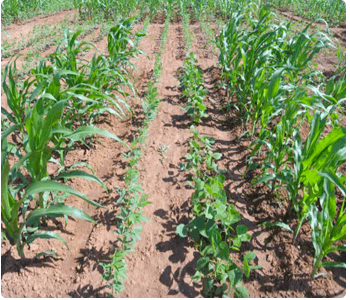
A traditional farming method called intercropping reduces chemical inputs and minimizes the detrimental effects of crop production on the environment while increasing crop diversity to support agroecosystem functions. Due to its significance in sustainable agriculture, intercropping is currently of great attention.
Here, we integrate crop diversity and natural ecosystem biodiversity to synthesize the elements that enable intercropping as a viable method of producing food. Intercropping can boost systemic resistance to plant diseases, pests, and other unfavorable circumstances (such as nutrient deficits) in addition to the well-known yield increases and long-term yield stability. By conserving mineral fertilizer inputs and lowering the risks of environmental contamination and greenhouse gas emissions from agriculture, resource efficiency can help mitigate climate change. Intercropping can improve ecosystem services by increasing the diversity of species above and below ground at the field scale. The mechanisms underlying improved ecosystem functioning can be better understood thanks to complementarity and selection effects. For intercropping to be widely applied, machinery must be developed.
Intercropping can be classified into the following groups according to compatibility and growth pattern:
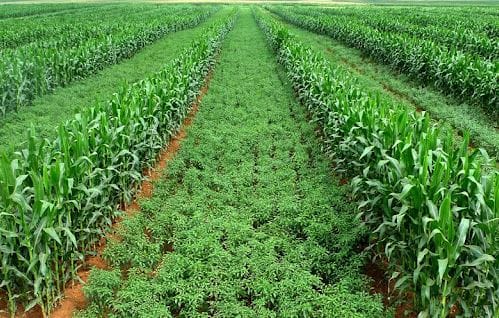 | 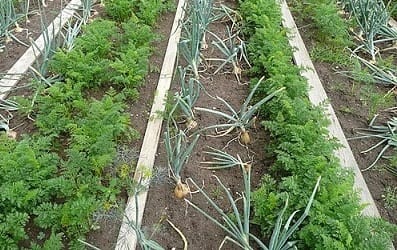 | 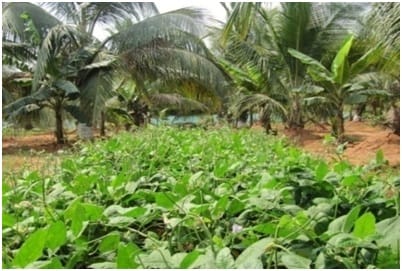 |
- Parallel cropping: There is no competition between the crops used.
- Companion cropping: Both crops’ yields are equal to those of the pure crops. The purpose of this kind of intercropping is to reduce the likelihood of complete crop failure.
- Multistoried cropping: Even at high planting densities, a maximum amount of solar radiation can enter due to the crops’ varying heights.
A Possible Solution to the Issues with Intensive Monocultures:
- The global demand for food is becoming an increasingly serious problem for humanity. By using high-yielding crop varieties, more fertilizer, water, and pesticide inputs, intensive agriculture has improved food production over the past 50 years and significantly contributed to feeding humanity
- However, crop diversity in intense agricultural systems is frequently limited to one species, which is typically genetically homogeneous, and intensive agriculture frequently seeks to maximize the productivity of monocultures.
- Negative environmental effects of intensive agriculture include biodiversity loss, soil erosion and degradation, and greenhouse gas emissions. One of the main characteristics of the soils in intensive agriculture systems is soil acidity. Concurrently, there has been a strong negative correlation between N inputs and the biodiversity of agroecosystems in Europe.
A significant issue for both global climate change and food security is the declining biodiversity of farmland in intensive agroecosystems
Multicropping systems, on the other hand, boost biodiversity on farms and have potential benefits in terms of yield and yield stability, pest and disease control, and fertilizer use reduction. As a result, they offer an effective, sustainable method to guarantee food security with low environmental costs.
Crop diversity as an alternative to monoculture: one way to address contemporary agricultural issues.
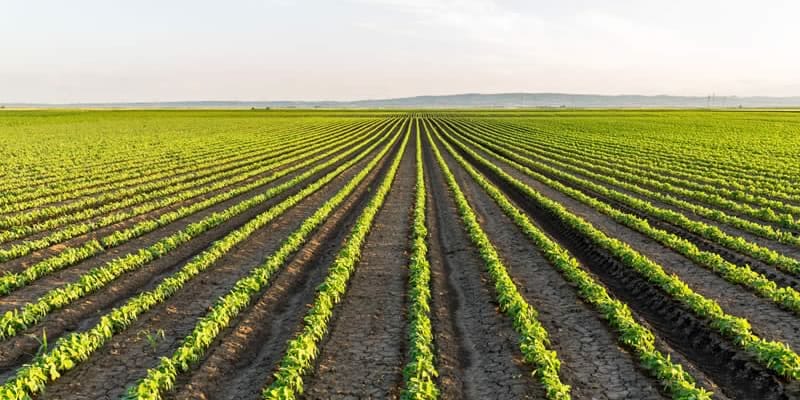
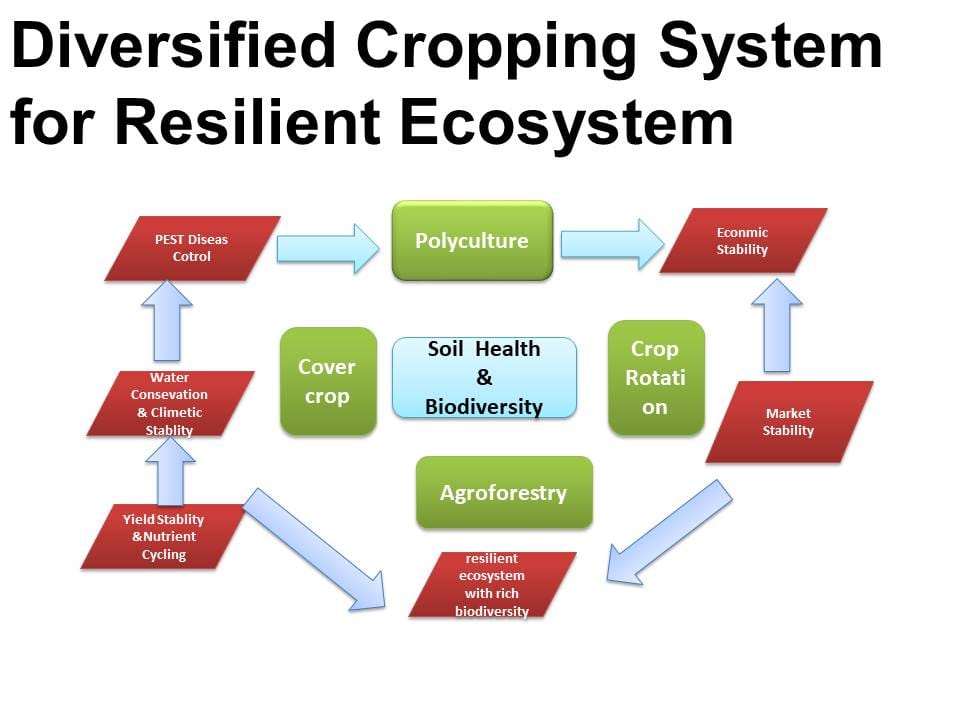
Ecosystem productivity, stability, invasibility, and nutrient dynamics are all significantly influenced by species diversity. Crop rotations can improve crop diversity in agroecosystems on a temporal basis, whereas cover crops, crop mixes, agroforestry, and intercropping can increase crop diversity on a spatial scale.
Growing various crops in the same field at different times of the year is known as crop rotation. Due to the lack of hosts and organic residues that may have an impact on diseases or antagonistic organisms, rotating various crops lowers the disease inoculum. Any living ground cover that is planted alongside or after the primary crop and typically killed before the next crop is planted is referred to as a cover crop.
In a farming system, crops are mainly employed to reduce erosion, improve soil health, increase water availability, help control weeds, insects, and illnesses, and boost biodiversity
Crop mixtures are defined as two or more separate crop species or different cultivars of the same crop species that are cultivated concurrently in the same field in alternating rows or a mixture without a clear row structure. When more focus is placed on sustainable agricultural development, intercropping—growing at least two crops concurrently in the same field—has garnered significant attention among the various forms of crop diversification in agroecosystems due to its enormous potential to boost biodiversity and use resources.
The Sustainability of Intercropping
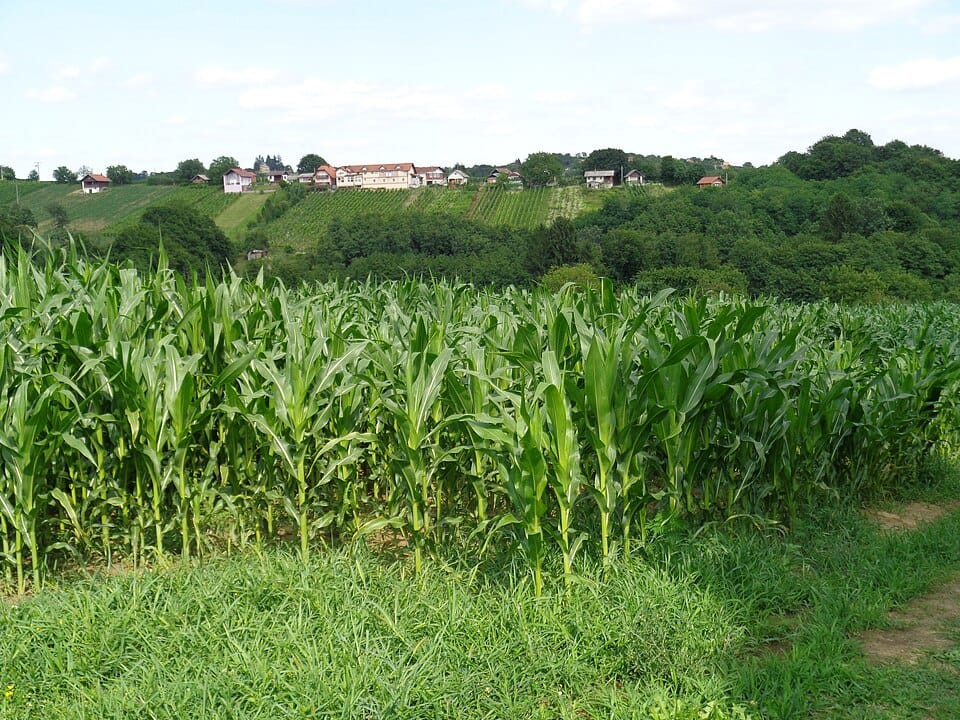
Intensive agroecosystems differ from natural ecosystems in a number of ways, including reduced plant variety. numerous distinctive traits, including monocultures of high-yielding cultivars, reduced plant diversity, and increasing inputs of pesticides and mineral fertilizers. In contrast to intensive agriculture, intercropping can boost yield and yield stability, make effective use of resources, suppress pests and diseases, mitigate climate change, control soil pollution, and increase on-farm biodiversity. If the goal is to increase yields without compromising environmental integrity, this can contribute to the sustainable intensification of agriculture.
A) Increasing productivity, stability, and yield;
Intercropping has yield advantages over monoculture, according to numerous research The comparable land area under monoculture that is known as the land equivalent ratio (LER) is necessary to generate the yields attained through intercropping and is utilized to evaluate crop performance in intercropping in comparison to monoculture. According to a meta-analysis, intercrops were superior to monocultured crops in terms of land use efficiency, with 434 out of 552 computed LERs >1 .
Intercropping for Sustainability per Acre
A) Popular Intercropping Systems:
- Maize + Cowpea
- Cotton + Black gram
- Sugarcane + Vegetables
- Pigeon pea + Groundnut
Diversification into High-Value Crops
Switching part of land to high-value crops increases profitability.
Examples:
- Vegetables (tomato, onion, chilli)
- Fruits (banana, papaya, pomegranate)
- Medicinal & aromatic plants (tulsi, aloe vera, lemongrass)
- Spices (turmeric, ginger, cumin)
These crops offer better market prices and export opportunities.
. Integrating Pulses and Oilseeds
Adding pulses and oilseeds improves soil fertility and income.
- Examples: soybean, mustard, sunflower, groundnut.
🌾 5. Mixed Farming & Allied Activities
Crop diversification can be combined with allied farming activities
Read Further;
Smart/Precision Farming is Swiftly Making the Farms More “Intelligent”
Cultivation of Aonla/Amla or Indian Goose Berry